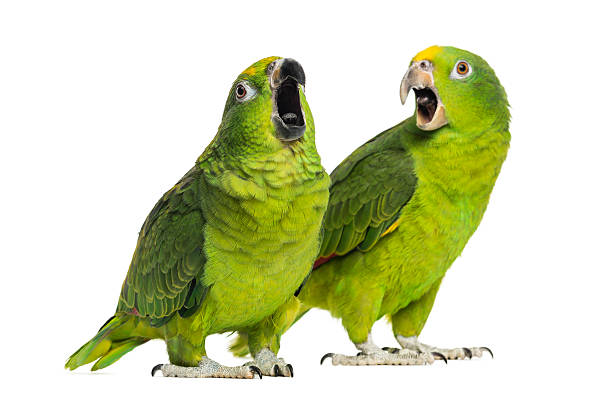
Parrot Incubators
Parrot incubators play a vital role in modern aviculture, offering a controlled and reliable environment for the development of eggs that may not be able to remain under the natural care of parent birds. While many parrot species are attentive and capable breeders, a variety of circumstances ranging from inexperienced parents to environmental instability can make artificial incubation an essential tool. An incubator is more than just a machine that provides warmth; it is a carefully engineered system designed to replicate the delicate balance of temperature, humidity, ventilation, and motion that an adult bird instinctively maintains during the incubation period.
At the heart of every parrot incubator is precise temperature regulation. Parrot embryos develop within a narrow thermal window, and stability is crucial to their survival. Even slight fluctuations can disrupt normal embryonic growth, making accuracy a defining feature of quality incubators. Complementing this is humidity control, which ensures that eggs lose moisture at a healthy rate. In natural nests, humidity varies with climate, nesting materials, and parental behavior. Artificial incubation must therefore approximate these conditions with a level of precision that allows each egg to maintain the proper weight loss over time, an indicator of healthy internal development.
Ventilation is another critical element. As the embryo grows, its metabolic demands increase, requiring consistent oxygen exchange and the removal of carbon dioxide. A well-designed incubator offers a gentle but continuous flow of fresh air, preventing stagnation while avoiding sudden drops in temperature. In addition, most parrot incubators integrate a method for periodic egg rotation. In nature, parent birds turn their eggs several times throughout the day to prevent the embryo from adhering to the shell membrane and to promote uniform heat distribution. Automatic turning mechanisms replicate this behavior with reliable consistency, reducing the risk of developmental complications commonly associated with manual turning.

Parrot incubators

Parrot incubators

Parrot incubators

Parrot incubators
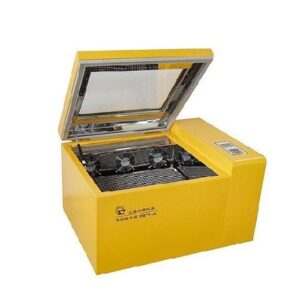
Parrot incubators