
Hyacinth Macaw Parrot Eggs
Macaw parrot eggs, though modest in size compared to the majestic birds they produce, stand as the heart of macaw reproduction and preservation. These eggs are the fragile cradles of some of the world’s most vividly coloured and intelligent parrots birds native primarily to the rainforests and savannahs of Central and South America. Their formation, incubation, and hatching reflect both the precision of nature and the dedication required by parent birds, breeders, and conservationists alike. To understand macaw eggs is to appreciate the very beginning of a species renowned for loyalty, emotional depth, and astonishing beauty.
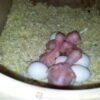
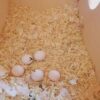
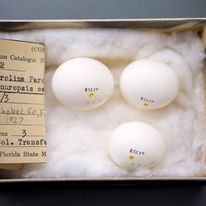
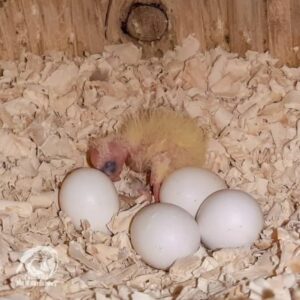
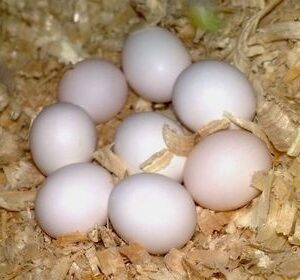
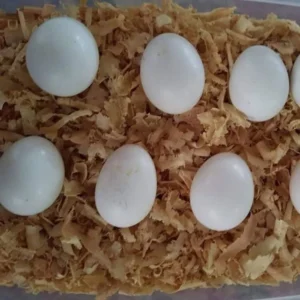
The eggs of macaws are typically white, smooth-shelled, and oval, lacking the colourful pigmentation seen in many smaller bird species. This absence of pattern is evolutionarily logical because macaws nest in concealed locations such as deep tree cavities, rock crevices, or hollow trunks, there is little need for camouflage or visual signaling. A typical clutch contains one to four eggs, depending on the macaw species and the health of the breeding pair. Larger species, like the Blue-and-Gold or Green-winged Macaw, lay eggs slightly larger than those of smaller macaws such as the Hahn’s or Yellow-collared variety. Shell thickness, meanwhile, can vary based on nutrition, particularly calcium intake, making the diet of the hen before and during laying a crucial factor in successful incubation.
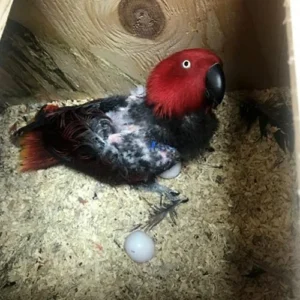
Once laid, the eggs begin an incubation period of roughly 24 to 28 days, though slight variations occur between species and environments. Unlike some parrots that share incubation duties equally, macaws commonly see the female take primary responsibility for warming the eggs, rarely leaving the nest for long periods. The male supports her by providing food and guarding the nest site. Temperature stability is vital; even minor fluctuations can affect the developing embryo, making nesting conditions humidity, ventilation, cleanliness, and nest material key influences on hatchability. During this time, the embryo undergoes dramatic transformation, progressing from a cluster of dividing cells to a fully developed chick preparing for emergence.
Hatching itself is a slow and strenuous process. Inside the egg, the chick uses its egg tooth a tiny temporary structure to chip away at the shell. This initial breakthrough is known as pipping, and it may take many hours or even over a full day for the chick to fully free itself. Patience from the parents is essential; they may listen, adjust their position, or gently nudge the egg, responding instinctively to the faint sounds of movement within. When the chick finally emerges, it is featherless, blind, and vulnerable. In the days that follow, attentive care is paramount. The parents feed the chick a regurgitated diet, keep it warm, and gradually usher it along a developmental path toward feather growth, vision recovery, and eventual independence.
In the context of conservation, macaw eggs carry profound weight. Many macaw species are threatened due to habitat destruction, poaching, and illegal wildlife trade. Every egg represents not just a new bird, but potential for population recovery and biodiversity preservation. In captivity, responsible breeding practices require careful monitoring, record-keeping, and ethical focus on species well-being rather than commercial gain. In the wild, protecting nesting sites and combatting poaching ensures that more eggs survive long enough to hatch into strong, thriving chicks.
Ultimately, macaw parrot eggs are symbols of future flight small, silent, and unassuming, yet filled with immeasurable promise. They mark the beginning of a journey from fragile life to vibrant adulthood, carrying forward the legacy of birds admired for centuries. Whether nestled in a rainforest hollow or carefully incubated in a breeding facility, each egg is a universe of potential, a testament to the balance of care, biology, and environmental harmony required to usher new life into the world. Through understanding and protecting them, we honour one of nature’s most captivating creatures at its most humble stage of existence.
Reviews
There are no reviews yet.
Related products
Parrot Eggs For Sale
Parrot Eggs For Sale
Parrot Eggs For Sale
Parrot Eggs For Sale
Parrot Eggs For Sale
Parrot Eggs For Sale
Parrot Eggs For Sale
Parrot Eggs For Sale
Be the first to review “Macaw Parrot Eggs”